


Your Comprehensive Guide to Forex Trading
Forex trading, or foreign exchange trading, is one of the most dynamic and lucrative investment opportunities available today. With a daily trading volume exceeding $6 trillion, forex trading provides potential for profits, but it also carries significant risks. For anyone looking to step into the world of currency trading, understanding the strategies and tools available is crucial. In this guide, we will explore essential strategies, tips, and platforms for forex trading, including a recommended platform you can check out: forex trading website https://kuwait-tradingplatform.com/.
Understanding Forex Trading
Forex trading involves buying one currency while simultaneously selling another. Currencies are traded in pairs, such as EUR/USD (Euro/US Dollar) or GBP/JPY (British Pound/Japanese Yen). The value of a currency pair is determined by the exchange rate, which fluctuates based on economic indicators, geopolitical stability, and market sentiment.
The forex market operates 24 hours a day, five days a week, making it accessible for traders across different time zones. This continuous trading environment provides ample opportunities to profit from price movements.
Key Strategies for Successful Forex Trading
To navigate the complexities of the forex market, traders often employ various strategies. Here are some of the most effective ones:
1. Scalping
Scalping is a short-term trading strategy that involves making numerous trades throughout the day to capitalize on small price movements. Scalpers typically hold positions for a few seconds to a few minutes, requiring quick decision-making and a fast execution platform.
2. Day Trading

Day trading involves buying and selling currencies within the same trading day, with all positions closed by the market close. Day traders rely on technical analysis and market trends to make informed trading decisions.
3. Swing Trading
Swing trading is a medium-term strategy where traders hold positions for several days to capitalize on expected price movements. Swing traders typically use a combination of technical and fundamental analysis to identify potential trades.
4. Position Trading
Position trading is a long-term strategy that involves holding onto a currency pair for weeks, months, or even years. This approach is based on fundamental analysis, allowing traders to profit from long-term trends and economic changes.
The Importance of Risk Management
Regardless of the strategy employed, effective risk management is paramount in forex trading. Traders should establish a risk-reward ratio for each trade, set stop-loss orders to limit potential losses, and never risk more than 1-2% of their trading capital on a single trade. Understanding and managing your emotions is equally important, as fear and greed can lead to impulsive decisions that jeopardize trading success.
Choosing the Right Forex Trading Platform
Selecting a reputable and reliable trading platform is essential for both novice and experienced traders. Here are the key features to consider when choosing a forex trading platform:
- Regulation: Ensure the platform is regulated by a recognized financial authority to protect your investment.
- User Interface: A user-friendly interface is crucial for seamless trading.
- Fees and Spreads: Understand the costs associated with trading, including spreads, commissions, and overnight fees.
- Customer Support: Look for platforms that provide responsive customer support in case of issues.
- Trading Tools: Advanced charting tools and analytical resources enhance the trading experience.
Utilizing Analysis in Forex Trading
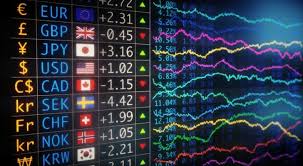
Successful forex trading relies significantly on analysis. There are two main types of analysis used by forex traders: technical and fundamental analysis.
Technical Analysis
Technical analysis involves analyzing past price movements and using indicators, such as moving averages, Relative Strength Index (RSI), and Fibonacci retracement levels, to predict future price movements. Traders often look for patterns on price charts, such as head and shoulders or flags, to spot potential trading opportunities.
Fundamental Analysis
Fundamental analysis focuses on economic indicators, geopolitical events, and central bank policies that may influence currency values. Key indicators include GDP, unemployment rates, inflation rates, and interest rate decisions. By understanding the economic landscape, traders can better assess currency strengths and weaknesses.
Staying Updated in the Forex World
The forex market is highly dynamic, and staying updated with market news, economic reports, and geopolitical developments is essential for traders. News outlets, economic calendars, and dedicated trading forums can be valuable resources for current information.
Additionally, joining trading communities and forums can provide insights into the trading strategies and experiences of other traders. Engaging with the trading community can enhance your knowledge and provide support throughout your trading journey.
Conclusion
Forex trading offers numerous opportunities for profit, but it also requires dedication, education, and careful planning. By employing effective strategies, maintaining solid risk management, and utilizing the right trading platform, you can enhance your trading experience and increase your chances of success. Whether you are a beginner or an experienced trader, continuous learning and adaptation are key to thriving in the competitive world of forex trading.